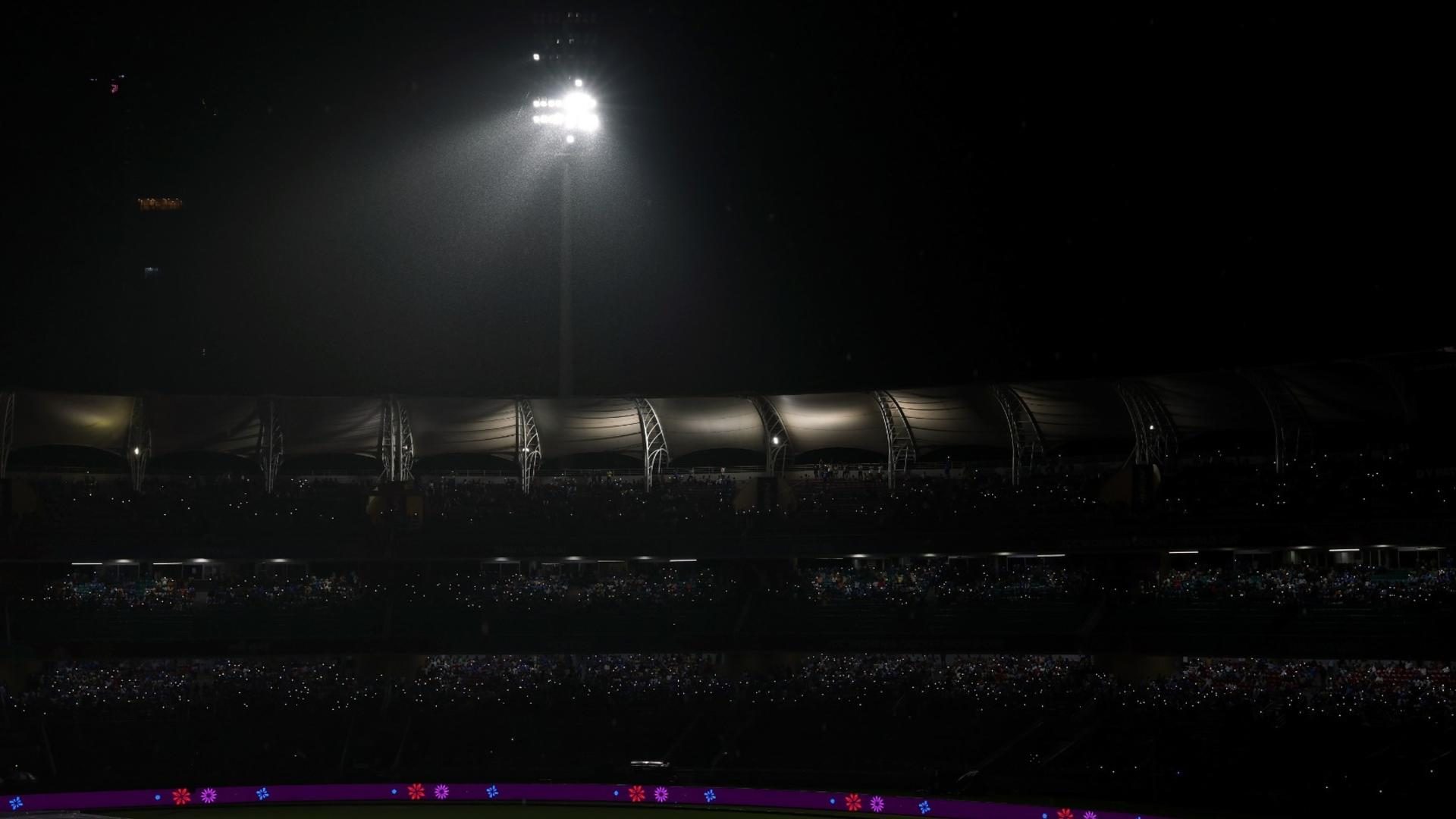
The roar of the crowd, the crack of the bat, and the electric atmosphere of a live cricket match draw millions of fans to stadiums. Yet, for many women, the excitement of the game is deeply entangled with an exhausting logistical calculus: how to get home safely after the final ball is bowled. While the sport generates immense revenue and expands into new regions with state-of-the-art facilities, the foundational infrastructure surrounding these venues often leaves spectators and reporters grappling with severe safety risks.
The Outskirts Dilemma
In recent years, urban expansion has led to the construction of modern cricket stadiums built far away from traditional city centers and residential neighborhoods. While these sprawling complexes offer modern amenities inside the gates, their external accessibility is frequently inadequate. Venues located along major highways or on city outskirts often lack robust public transport links, leaving attendees dependent on private vehicles, auto-rickshaws, or app-based cabs.
For those leaving after a night fixture, the reality outside the stadium can be daunting. Long, unlit walks to distant parking lots, navigating one-way highways in near darkness, and enduring prolonged waits for transport create an environment where basic security is far from guaranteed. While fans can sometimes leave early to beat the crowds, working professionals—including journalists who must stay back for post-match interviews, press conferences, and broadcasts—face even greater isolation as the surrounding area empties out.
A Disproportionate Burden
Safety concerns shape how women experience sports in ways that are rarely discussed in mainstream sports commentary. Navigating crowded public transport networks, jostling through unruly crowds, or waiting alone on unlit streets are hazards that male counterparts rarely have to factor into their schedules. This disparity extends beyond major metropolitan hubs into growing Tier-2 cities, where public transit options evaporate after sunset.
Observers have frequently pointed out the systemic neglect of basic infrastructure surrounding sporting venues. As one local commenter noted regarding the state of sports facilities:
"I don't know why our cricket lords don't bother to spend money on infra. They earn so much revenue from Indian team, and it's not just cricket. It's with every sport and also govt with public infra. We fans and public have just accepted and say "it is what it is"."
The problem becomes even more pronounced when considering the growth of women's leagues and bilateral series held outside traditional cricketing capitals. Without reliable last-mile connectivity, attending these matches can feel practically impossible for independent fans without personal vehicles. Another observer highlighted this specific hurdle:
"Dude forget men’s cricket, how do you expect women to turn up for women’s cricket matches in stadiums like Raipur and Baroda that are far far away from the city and worse they have just no connectivity? Like a middle class woman without a car can’t even find a fucking Ola or uber after sunset there."
Moving Toward Real Solutions
While some cricket associations and organizations step in with ad-hoc solutions—such as arranging dedicated buses for media personnel or providing private transport—these measures are temporary and limited in scope. They do not solve the underlying difficulties faced by everyday fans who must navigate chaotic traffic and dark exit routes on their own.
True accessibility requires deliberate institutional planning. Extending public transit operating hours during match days, integrating metro and train networks with stadium routes, improving lighting, and establishing well-regulated shuttle services are practical steps that can transform the matchday experience. Ultimately, ensuring that sports remain open and welcoming to everyone means looking past the boundary ropes and fixing the pathways that lead to them.

